HomeRisks.co.uk
Understand the risks. Protect your home.

Structural and Building Risks

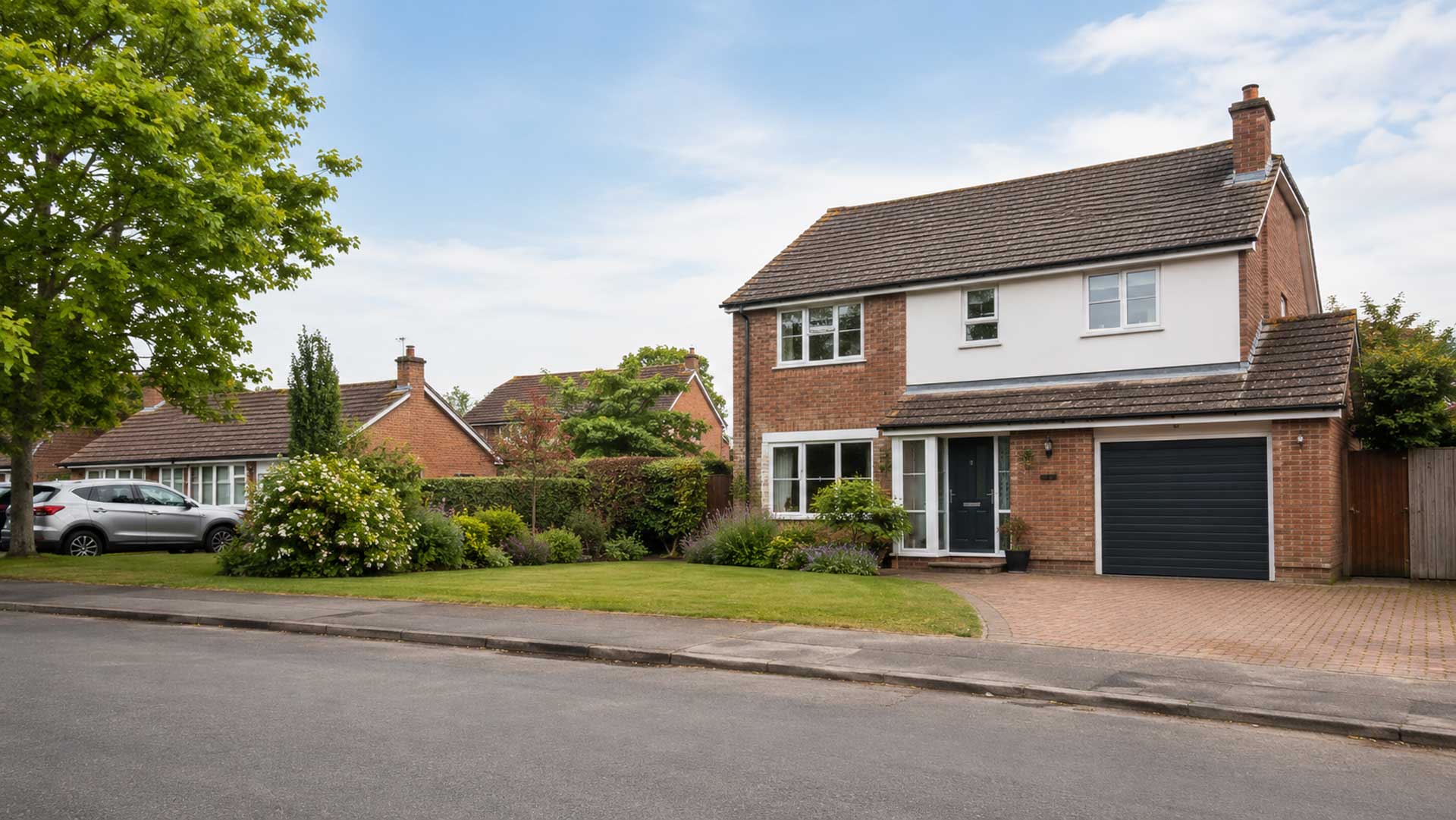
Well-maintained British home

Structural and Building Risks

Structural and Building Risks

Cracks, movement and masonry defects need their cause understood before they are repaired.

Structural symptoms can look similar while having very different causes, so diagnosis comes before repair throughout this section.

Guides in this section

Does Home Insurance Cover Subsidence?Usually, buildings insurance includes subsidence, but the excess is normally much higher than for other building claims.Can Tree Roots Cause Subsidence?Yes, particularly where a house is built on shrinkable clay. Tree roots can remove moisture from the soil and contribute to foundation movement.Does Home Insurance Cover Cracked Walls?Only if the cause is covered by the policy. Cracks caused by plaster shrinkage, poor workmanship or gradual deterioration are different from cracking caused by an insured event such as subsidence.Does Home Insurance Cover a Retaining Wall?Sometimes. Retaining walls can be included in buildings insurance, but the policy may treat them differently from the main house.Does Home Insurance Cover a Collapsed Garden Wall?It can, depending on why the wall collapsed. Gradual leaning, poor maintenance and storm damage can all be treated differently.Does Home Insurance Cover a Collapsed Ceiling?It can if the ceiling comes down because of an insured event, such as a sudden water leak. An old ceiling that fails through gradual deterioration is different.Does Home Insurance Cover Chimney Damage?It can cover sudden damage from a storm or another insured event. It normally does not pay for mortar, flashing or brickwork that has simply worn out.Does Home Insurance Cover Wall Tie Corrosion?Usually not, because wall-tie corrosion develops gradually. It is normally treated as deterioration rather than sudden accidental damage.Does Home Insurance Cover a Failed Lintel?Often not when the lintel has gradually deteriorated or was badly installed. Sudden accidental damage is a different matter.

Why this category matters

Subsidence, wall-tie corrosion, failed lintels, chimney defects and retaining-wall movement each need a different line of investigation.

The insurance position is equally cause-dependent: sudden insured damage is not treated in the same way as corrosion, deterioration or defective construction.

Insurance should follow the risk

Once the avoidable problems have been dealt with, compare policies on the parts that genuinely matter for your home. Limits and exclusions can be more important than a small difference in premium.

Choose a guide

The pages above are deliberately specific so that you can read about one risk without having to work through generic home-insurance material.